Stormwater is different from sewage. In many communities, water that runs off roofs, parking lots, streets, loading areas, and commercial properties enters a storm-drain system that may discharge to local waterways with little or no treatment. Why that matters Rain...
Adopt-A-Dumpster™ starts with a simple idea: the commercial waste area behind a business should not be treated as invisible infrastructure. It can become a visible community project—one that connects cleaner stormwater, better waste-area practices, local sponsorship,...
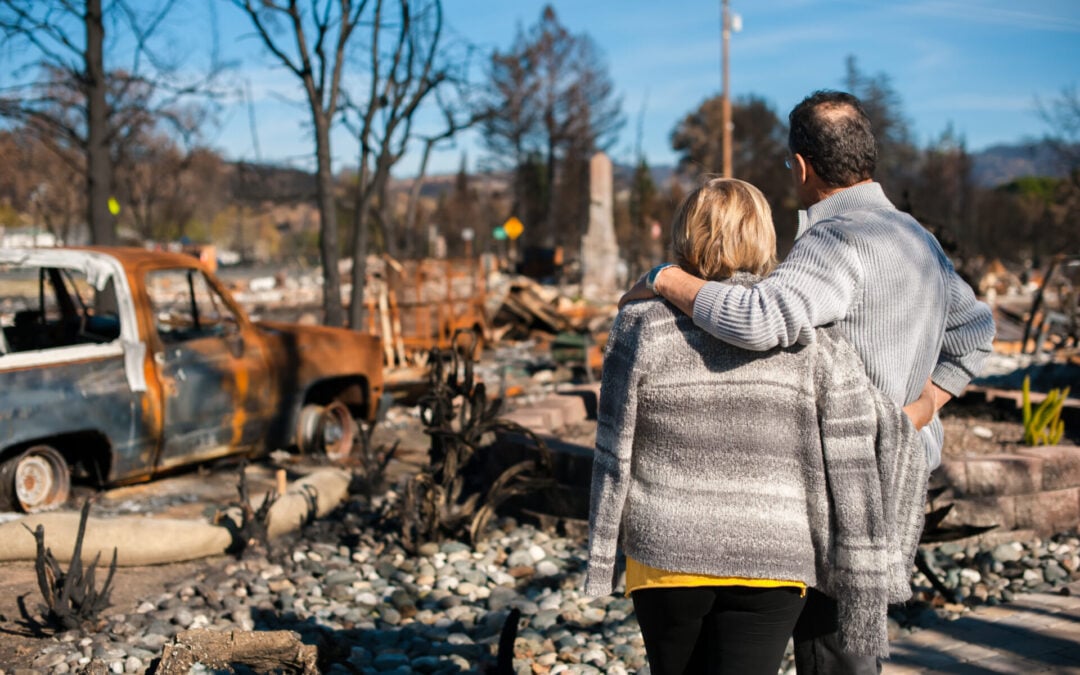
Hazard-resistant construction is not about finding one “disaster-proof” material. It is about designing the entire building—foundation, framing, roof, walls, openings, connections, drainage, and exterior assemblies—to perform under the hazards that matter at the site....
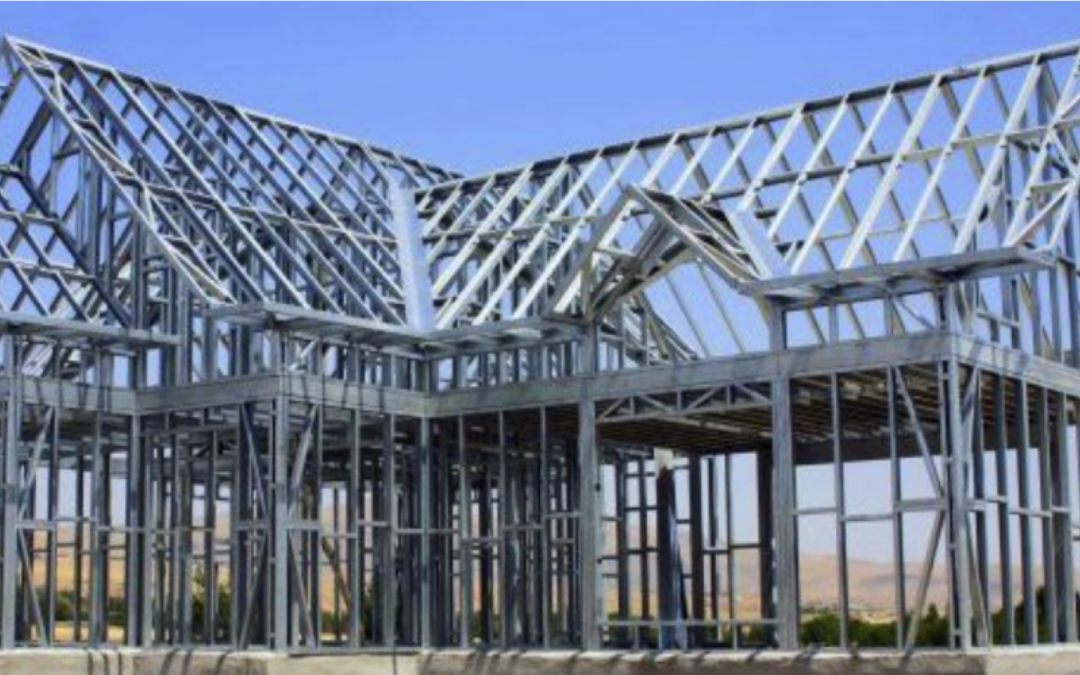
Hazard resilience is a whole-building issue. No framing material makes a structure disaster-proof, and life-safety performance depends on the building code, site conditions, engineering, connections, foundations, exterior assemblies, installation quality, and...
Construction materials affect resource use, durability, waste, maintenance, and a building’s full lifecycle. Steel framing has several environmental strengths, but no structural material is impact-free. This article looks at where steel can offer advantages and where...